
Swedish Massage in NYC: Benefits, How It Works & What to Expect
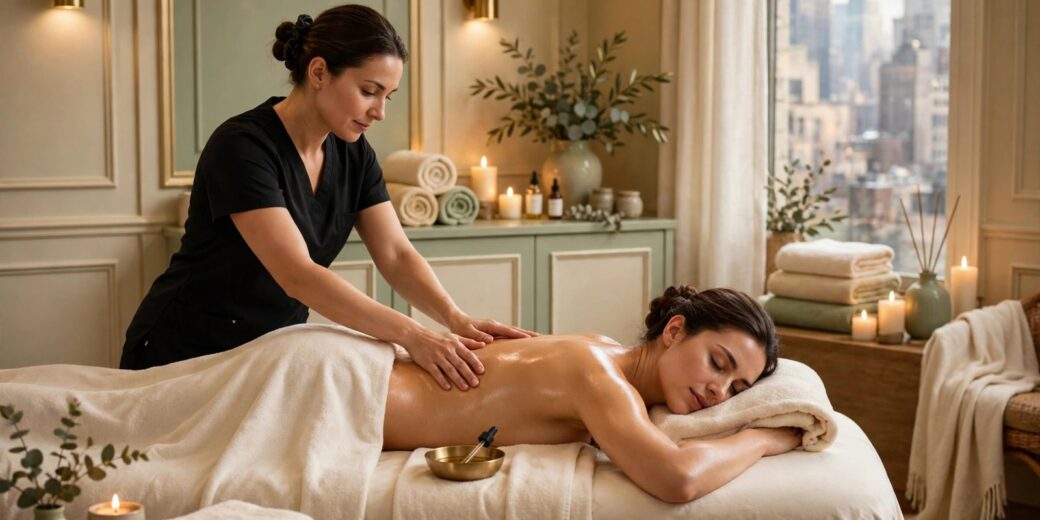
Swedish massage is a classic, gentle full-body massage that uses long, flowing strokes with oil, kneading, and rhythmic movements to ease everyday tension, calm the nervous system, and leave you feeling deeply relaxed and recharged. At Eureka Body Care & Spa in Midtown Manhattan, Swedish massage is the treatment clients choose when stress, long desk hours, travel, or a busy New York week have left both body and mind feeling tight and tired — without the deeper pressure of a deep tissue session. This guide explains what Swedish massage is, its benefits, what a session feels like, how it differs from deep tissue massage, and who it suits best.
What Is Swedish Massage?
Swedish massage is the foundation of modern Western massage. It was developed in the 19th century and is built around five core techniques: long gliding strokes (effleurage), kneading (petrissage), rhythmic tapping, friction, and gentle vibration or shaking. Together, these movements warm the muscle tissue, encourage circulation, and gradually soften tension from the surface layers of the body.
At Eureka, Swedish massage is performed with oil, which allows the therapist’s hands to glide smoothly and continuously over the skin. That unbroken flow is a big part of what makes the treatment feel so calming — there is no stopping and starting, and pressure stays light to medium throughout, adjusted to your comfort. It is a relaxation and wellness treatment: it does not diagnose, treat, or cure any medical condition, and results are about how you feel — looser, calmer, and more rested — rather than any guaranteed outcome.
If you already know you prefer firm, targeted work on stubborn knots, our Deep Tissue Massage guide explains that stronger option. Swedish massage is the gentler starting point, and for many clients it remains the favorite.
Benefits of Swedish Massage
Clients in Midtown choose Swedish massage for its whole-body, whole-mind effect:
- Deep relaxation and stress relief. The slow, rhythmic strokes are designed to quiet the nervous system. Many clients arrive wired from work and leave noticeably calmer, with slower breathing and a clearer head.
- Easing everyday muscle tension. Desk posture, commuting, workouts, and travel all leave the neck, shoulders, back, and legs feeling tight. Swedish techniques warm and loosen those areas without aggressive pressure.
- Support for circulation. Long strokes directed toward the heart encourage blood and lymph flow, which can help you feel lighter and less sluggish after a session.
- A gentler first massage. If you have never had a professional massage, or you do not enjoy very firm pressure, Swedish massage is the most approachable place to start.
- Better wind-down and sleep for many clients. Booking in the late afternoon or evening is popular precisely because clients often sleep more soundly the night after a session.
- Flexible and combinable. Swedish massage pairs naturally with other care at Eureka — many clients alternate it with Lymphatic Drainage for a lighter, less puffy feeling, or add it to a self-care day alongside a facial.
How a Session Works — What to Expect
Your visit starts with a short consultation. Your therapist asks where you are holding tension, whether any areas need extra attention or should be avoided, and how much pressure you prefer. Be honest — Swedish massage should never feel painful, and pressure can be adjusted at any point during the session.
Once you are settled on a warm massage table in a quiet, private treatment room, the therapist applies oil and begins with broad, gliding strokes to warm the tissue, usually starting with the back. The session typically moves through the back, legs, arms, and — if you wish — neck, shoulders, and scalp, using kneading and gentle friction where muscles feel tighter. Draping is used throughout, so only the area being worked on is uncovered at any time.
A session is typically 60 minutes, with longer options for clients who want a slower, more complete experience. When it ends, the therapist will leave you a few minutes to rest and dress. Drink water afterward, avoid scheduling anything frantic immediately after if you can, and enjoy the looser, calmer feeling — many clients describe it as hitting a reset button in the middle of a New York week.
Swedish massage is suitable for most adults, but tell us when you book about recent injuries, surgery, pregnancy, skin conditions, or any medication that affects circulation, so we can confirm the treatment is right for you or adapt it.
Swedish Massage vs Deep Tissue — Which Should You Choose?
This is the question clients ask most. Choose Swedish massage if your main goal is to relax, de-stress, and loosen general tension with light-to-medium pressure that feels soothing throughout. Choose deep tissue if you have specific, stubborn areas of chronic tightness — for example a persistently knotted shoulder or lower back — and you are comfortable with firmer, slower, more focused pressure.
Many clients use both: deep tissue when a particular area needs real work, and Swedish massage for regular maintenance and stress relief in between. Your therapist can also blend the two, keeping most of the session flowing and relaxing while spending a little extra time on one tight area. There is no wrong choice — only the right one for how your body feels that day.
Who Is a Good Candidate?
Swedish massage suits almost anyone who feels stressed, tense, or run down and wants a gentle, proven way to unwind: office workers with tight necks and shoulders, travelers recovering from flights, parents running on empty, and first-time massage clients who want to start gently. It is also a thoughtful gift — a calm hour in Midtown is rarely the wrong present.
It is not a replacement for medical care. If you have a recent injury, unexplained pain, fever, or a medical condition you are being treated for, check with your clinician first and tell us when you book, so we can advise honestly whether Swedish massage, another treatment on our massages menu, or medical care is the better next step.
FAQ
Does Swedish massage hurt?
No — it should not hurt. Swedish massage uses light-to-medium pressure, and your therapist will check in and adjust. Speak up at any point if you would like more or less pressure.
How long is a Swedish massage session?
A typical session is 60 minutes, which allows time for the full body. Longer sessions are available for clients who want extra time on the back, neck, and shoulders or a slower pace overall.
What should I wear, and will oil get on my clothes?
You undress to your comfort level and are draped with a sheet throughout; only the area being treated is uncovered. The oil is applied to the skin, not your clothing, and any light residue absorbs or wipes off easily afterward.
How often should I get a Swedish massage?
That depends on your stress and tension levels. Many regular clients book every two to four weeks for maintenance, while others come monthly or as a reset during especially busy periods. Your therapist can suggest a rhythm after your first session.
Is Swedish massage a good choice for a first massage?
Yes — it is the most recommended first massage. The pressure is gentle, the flow is predictable and relaxing, and everything is explained beforehand, so you can simply settle in and enjoy it.
Book Your Swedish Massage in Midtown NYC
Ready to unwind, loosen up, and leave stress on the table? Visit us at Eureka Body Care & Spa, 303 5th Ave, 4th Floor — Suite 407, New York, NY 10016, just two blocks from the Empire State Building. Book on our appointments page, call us at (212) 858-0706, or text (833) 255-9387 to reserve your Swedish massage.
