
Frequently Asked Questions
Welcome to Eureka Body Care & Spa, a Midtown Manhattan med spa where experienced providers pair honest advice with careful, natural-looking results. Below you will find answers to the questions we hear most often about our treatments, so you can arrive at your consultation feeling informed and confident. If you do not see your question here, our team is happy to help.
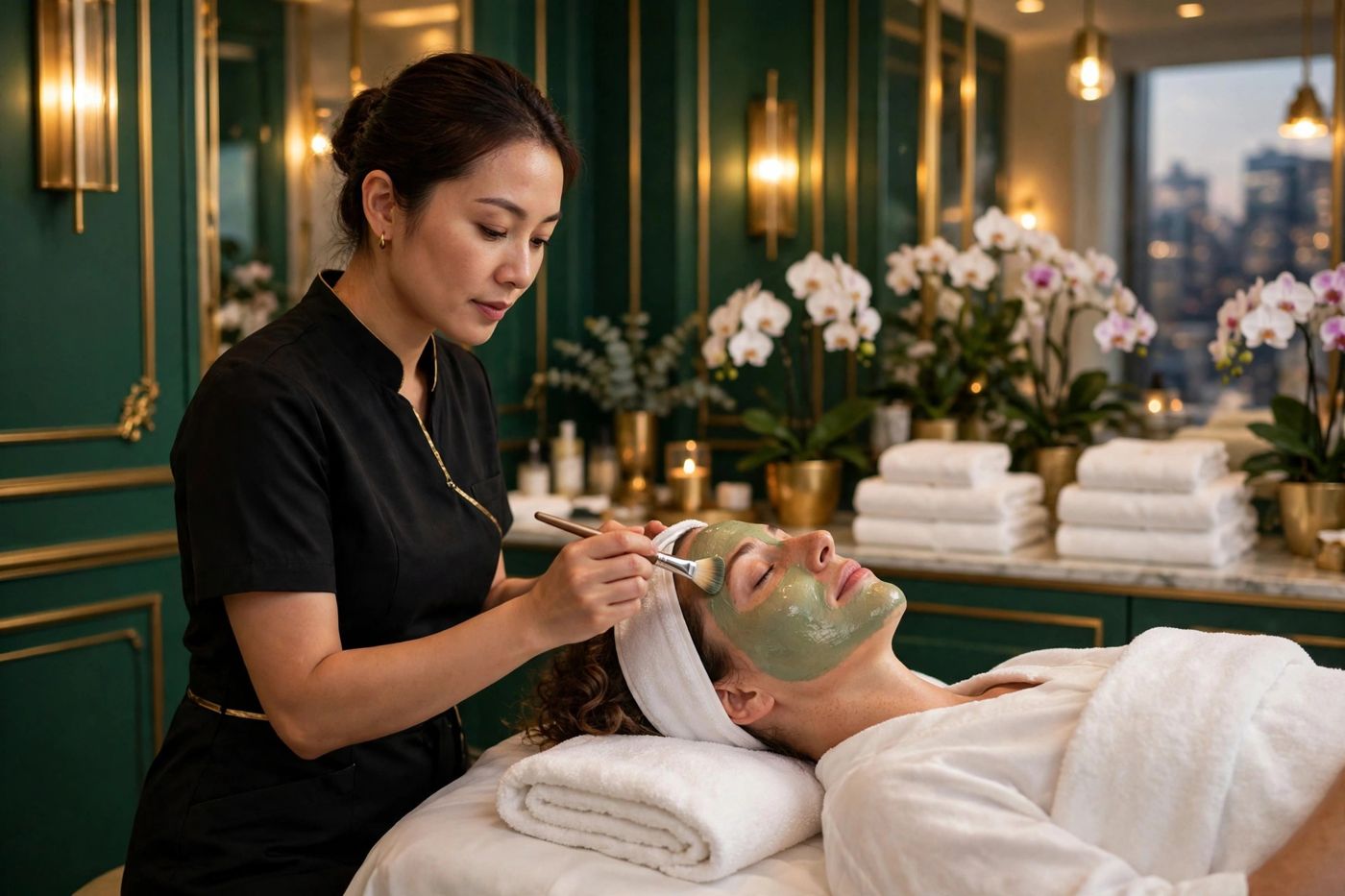
Botox, Fillers & Injections
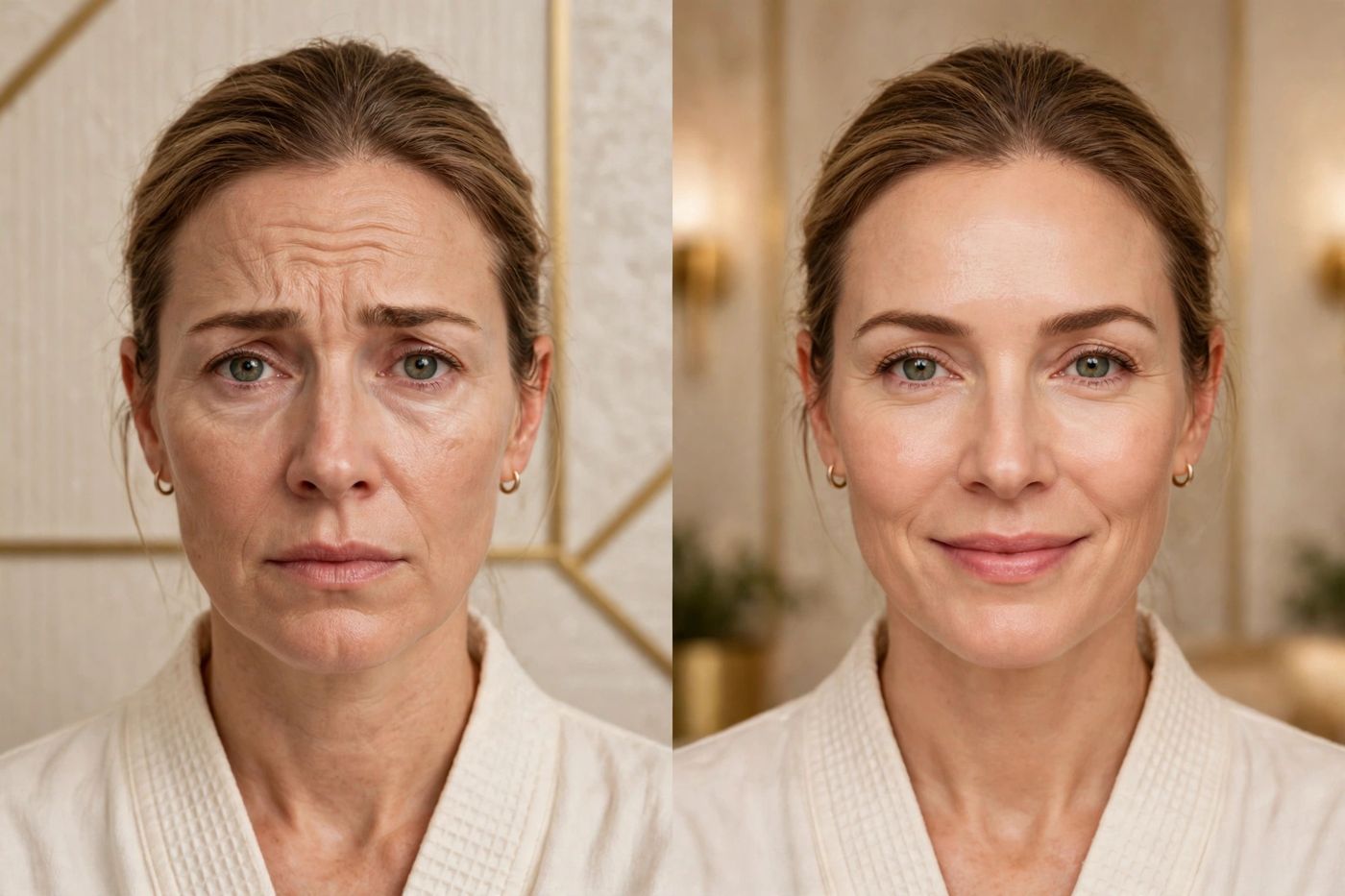
What’s the difference between Botox and fillers?
Botox relaxes specific muscles to soften the appearance of lines caused by expression — forehead, frown lines, crow’s feet. Fillers are gels placed under the skin to restore the look of volume and contour — lips, cheeks, folds around the mouth, chin, and jawline. Many clients benefit from both, in different areas.
Will I look frozen or overdone?
Not with our approach. We dose conservatively and place precisely, aiming for a rested, natural look where your expressions remain yours. You can always start subtly — it’s easy to add at a later visit, and most clients prefer exactly that.
How long do results last?
It varies by product, area, and individual. Botox results typically last several months, while fillers often last many months and sometimes longer. We’ll set expectations for your specific plan at your consultation.
Do injections hurt?
Most clients describe brief pinches or small stings. We use very fine needles, a gentle technique, and numbing options for comfort, especially for lips. Any tenderness afterward is usually mild and short-lived.
How long does Botox take to fully kick in?
Botox starts working within 3 to 5 days, and the full result settles in at about 10 to 14 days. Always wait the full two weeks before judging your result — that’s when your injector can best assess whether a small adjustment is needed.
How many units of Botox do I need?
It depends on the area and the strength of your muscles. As a general guide, the frown lines between the brows commonly take around 20 units, the forehead roughly 10 to 20, and crow’s feet about 10 to 12 per side. Your injector will confirm the right amount for you at your appointment — the goal is a natural, rested look, never frozen.
What is baby Botox?
Baby Botox uses smaller doses spread more lightly across the face. The aim is softening and prevention rather than full smoothing, so it’s popular with younger clients and anyone who wants the most natural result possible while keeping plenty of movement.
At what age should you start Botox?
There is no single right age. Many people start in their late 20s or 30s, when expression lines begin to linger after the expression fades — sometimes called preventative Botox. Others start later, when lines are more established. A consultation is the best way to tell whether it would benefit you yet.
Can I work out after Botox or fillers?
Avoid intense exercise for the first 24 hours after injections. Heavy workouts raise blood flow and pressure in the face, which can increase bruising and, right after treatment, may affect how the product settles. Light walking is fine, and you can return to normal training the next day.
Can I wear makeup after Botox or filler injections?
Yes — most clients apply makeup a few hours after treatment, once the tiny injection points have settled. Be gentle around the treated areas for the first day, and follow any specific aftercare your injector gives you.
How long do dermal fillers last?
Most hyaluronic acid fillers last about 6 to 18 months depending on the product, the area treated, and your metabolism — lips tend toward the shorter end, while cheeks and jawline often last longer. Collagen-stimulating fillers such as Sculptra and Radiesse can last considerably longer, up to two years or more.
Does Botox help with excessive sweating?
Yes — Botox is widely used to reduce excessive sweating, most commonly under the arms, by calming the nerves that activate the sweat glands. Results typically last several months. Ask at your consultation whether this treatment is right for you.
What happens if you get Botox too often?
Treatments are normally spaced at least 10 to 12 weeks apart. Coming back much more often is unnecessary — the previous treatment is still active — and in rare cases very frequent exposure can reduce how well Botox works for you over time. A steady schedule of about three to four visits a year is what most clients settle into.
Learn more: Beauty Injections and Injectables
Laser Hair Removal
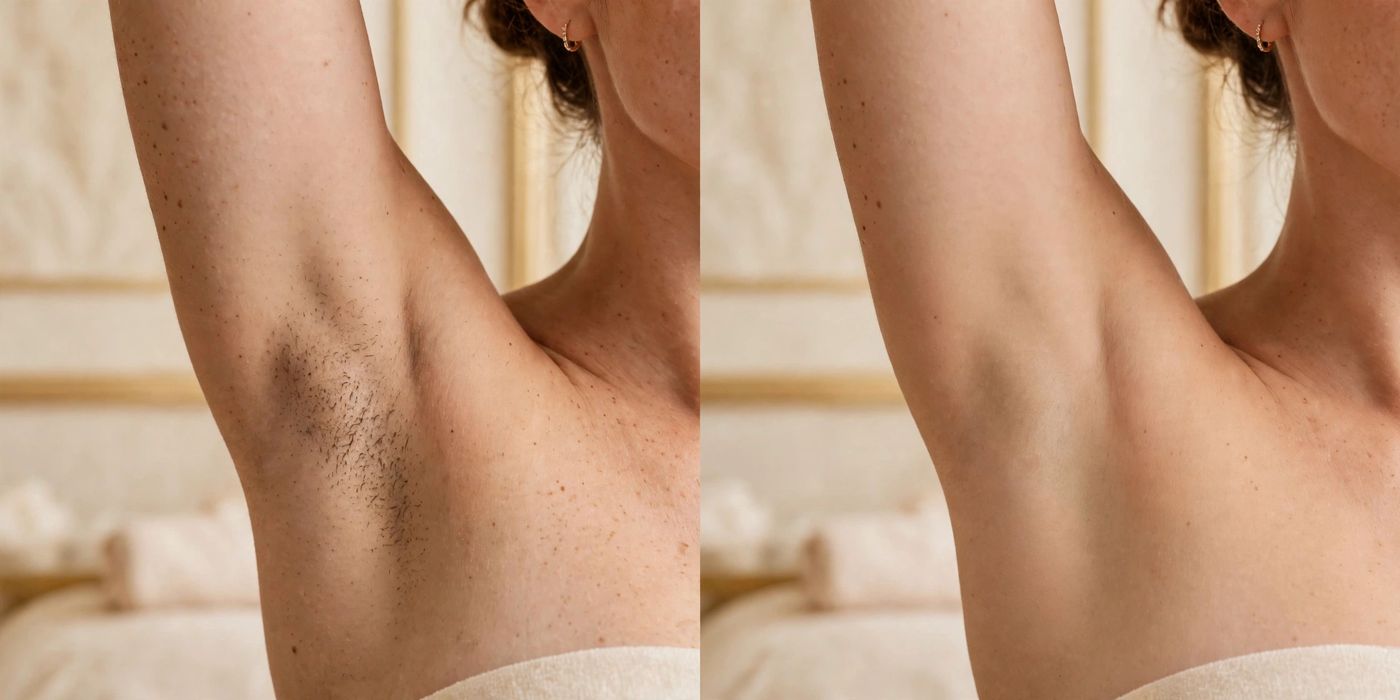
Does laser hair removal hurt?
Most clients tolerate Astanza treatments very well. The device includes advanced cooling to keep skin comfortable. Sensation is often described as a light snap or warmth — much less painful than waxing.
How many sessions will I need?
Most women achieve optimal results with 6-8 sessions spaced 4-6 weeks apart. Hair growth cycles vary, so some areas may need touch-ups.
Can Astanza treat dark skin tones?
Yes. Modern Astanza devices offer settings safe for a wide range of skin types, including darker tones. Your technician will customize the treatment during your consultation.
How should I prepare for my appointment?
Shave the treatment area 24 hours before. Avoid sun exposure, tanning, waxing, or plucking for 2-4 weeks prior. Arrive with clean skin, free of lotions or deodorant on treatment areas.
Which areas can men treat?
The most popular are the full back, shoulders, chest, abdomen, neck and beard line, ears, arms, and legs. If you have another area in mind, ask us when you book — call (212) 858-0706 or text (833) 255-9387.
Do I need to shave before my appointment?
Yes — arriving with the treatment area cleanly shaved helps the laser energy focus on the follicle below the surface rather than the hair above it. We’ll confirm the simple preparation steps when you book.
Is laser hair removal safe for dark skin?
It can be, when the right technology is used with settings chosen for your skin. Longer-wavelength lasers such as Nd:YAG are widely used for deeper skin tones because they target the follicle while being gentler on surface melanin. That is why we begin with a consultation and patch test for every client with melanin-rich skin — your safety comes before your schedule.
What is a patch test, and why do I need one?
A patch test treats a small test area at the settings we plan to use, so we can observe how your skin responds over the following days. It is a simple, proven way to confirm that the technology and settings suit your skin before a full session — think of it as your skin’s dress rehearsal.
Is laser hair removal permanent?
Laser hair removal delivers permanent hair reduction rather than removing every hair forever. After a full course of sessions, most clients see around 80–90% less hair, and what does grow back is finer and lighter. An occasional maintenance session keeps the area smooth long-term.
Does laser hair removal cause cancer?
No. Laser hair removal uses non-ionizing light energy that targets the pigment in the hair follicle; it does not penetrate to internal organs and has not been shown to cause cancer.
Can I shave between laser hair removal sessions?
Yes — shaving is the right way to manage regrowth between sessions. Avoid waxing, plucking, threading, or depilatory creams for about four weeks before and between treatments, because the laser needs the follicle intact beneath the skin.
Does laser hair removal work on blonde, grey, or red hair?
The laser targets pigment, so hair with little or no pigment — grey, white, true blonde, and fine red hair — responds poorly or not at all. Dark hair on any skin tone responds best. If you’re unsure, book a consultation and we’ll tell you honestly whether it’s likely to work for you.
Is laser hair removal better than waxing?
They do different jobs. Waxing removes hair temporarily — results last about 3 to 6 weeks and then repeat forever. Laser progressively reduces hair growth over a course of sessions, so most clients end up with long-term smoothness and far fewer ingrown hairs. Over a year or two, laser is often the better value.
Does laser hair removal help with ingrown hairs?
Yes. Because the laser weakens the follicle itself, ingrown hairs and the bumps and dark marks they leave usually become much less frequent as your course progresses — one of the most common reasons clients switch from waxing or shaving.
Learn more: Laser Hair Removal, Laser for Men, and Laser Hair Removal for Dark Skin
Facials & Skin Treatments

How is HydraFacial different from a regular facial?
A traditional facial relies on manual techniques that vary from visit to visit. HydraFacial uses a device with a vortex tip that cleanses, exfoliates, extracts, and infuses serums in a consistent, controlled way — while bathing the skin in hydration at every step.
How often should I get a HydraFacial?
Many clients come monthly, which matches the skin’s natural renewal rhythm and keeps hydration and clarity topped up. Your esthetician can help you build a schedule around your skin and your calendar.
When will I see results?
Immediately. Skin typically looks smoother, more hydrated, and more radiant the moment you sit up. That’s why it’s such a popular same-week choice before weddings, photos, and events.
How is a signature facial different from other facials?
It is customized at every step. Instead of a fixed routine, your esthetician selects the cleanser, exfoliation, mask, and techniques based on your skin that day — so the treatment fits dry, oily, sensitive, or combination skin equally well.
Will my skin be red afterward?
Mild pinkness is possible right after extractions or exfoliation and typically settles quickly. Most clients leave with skin that looks fresh and luminous and go straight back to their day.
How often should I get a facial?
Every four to six weeks suits most skin, matching its natural renewal cycle. If you are working on a specific concern, your esthetician may suggest a closer rhythm at first.
Does microdermabrasion hurt?
Not typically. Most clients feel a light scratching or gentle suction sensation that is very tolerable, and the intensity is adjusted to your comfort. Your esthetician will check in throughout.
Will my skin peel afterward?
Microdermabrasion is a surface polish, not a chemical peel, so visible peeling is uncommon. You might notice light pinkness or a feeling of tightness for a short while, and skin feels smoother right away.
Does facial gua sha hurt?
No. Facial gua sha is performed with light, gliding pressure that most clients find deeply soothing. It’s very different from traditional body gua sha, which uses much firmer pressure — the facial technique is gentle by design.
Will it leave marks on my face?
Facial gua sha is not intended to leave marks. Because the pressure is light and the strokes glide over oiled skin, you may see a healthy, rosy flush right after your session — a normal sign of increased circulation feel that settles quickly.
Does LED light therapy hurt?
Not at all. There’s no heat damage, no tingling, and nothing touching your skin. Most clients feel only a gentle warmth and find the session deeply relaxing — many fall asleep.
Is the light safe for my eyes and skin?
The Omega Light uses non-UV LED light, and protective eyewear is worn throughout. It does not tan or burn the skin. If you take light-sensitizing medication, tell us before your session so we can advise you.
Does fibroblast hurt?
A topical numbing cream is applied before treatment to keep you comfortable. Most clients feel brief warmth or small zaps at each dot and rate the experience as very manageable, especially given how precise and quick each point is.
How long is the visible healing period?
The tiny carbon dots typically dry and flake away over the following several days, and swelling — especially around the eyes — is most noticeable in the first couple of days. Many clients plan a few quieter days after treatment. Your provider will map out the typical timeline at your consultation.
Will my skin visibly peel?
Most clients see little to no visible peeling — perhaps light flaking around day two or three. The biphasic formula is specifically loved for delivering renewal without the dramatic shedding of traditional TCA peels.
Does BioRePeelCl3 hurt?
You’ll likely feel tingling, warmth, or a prickly sensation while the peel works. It’s brief and most clients find it very tolerable; your esthetician monitors you throughout.
Does HydraFacial hurt?
No — most clients find it genuinely relaxing. You’ll feel gentle suction and cool liquid moving across the skin. There are no painful extractions and no stinging peel sensation.
How much does a HydraFacial cost in NYC?
At Eureka, HydraFacial treatments range from $139 to $299 depending on the version you choose — including options with high frequency, oxygen infusion, extractions, and microneedling. See our HydraFacial cost guide for the full breakdown: https://eurekabodycareandspa.com/hydrafacial-cost-nyc/
Can I wear makeup after a HydraFacial?
Yes. HydraFacial has no downtime — no peeling, no broken skin — so most clients go straight back to work, events, or makeup right after their session. It’s a favorite treatment before weddings and photos for exactly that reason.
What facial is best for acne-prone skin?
Look for deep cleansing, gentle exfoliation, and careful extractions. Our HydraFacial for acne ($149) uses vacuum extraction instead of squeezing, and a signature facial can be customized for congested skin. Your esthetician will recommend the right option after looking at your skin.
What is the best facial before a wedding or big event?
HydraFacial is the classic pre-event choice: instant glow, deep hydration, and zero downtime, so there’s no risk of redness or peeling in your photos. Book it 2 to 7 days before the event for the best timing.
Can I combine treatments in one visit?
Often, yes — many clients pair treatments in a single visit, for example a facial with LED light therapy. Some combinations need spacing instead, which your provider will explain. Tell us your goals when you book and we’ll plan the most effective order.
How long does microneedling take to show results?
Microneedling works by stimulating your skin’s own collagen production, so results build gradually — initial improvement is often visible within 1 to 2 weeks, with the full effect developing over 4 to 12 weeks. A series of sessions, spaced several weeks apart, gives the strongest change in texture and the appearance of acne scars.
How much downtime is there after skin treatments?
It varies by treatment. HydraFacial, LED therapy, and microdermabrasion have little to no downtime. Gentle peels like BioRePeel may cause a few days of light flaking. Microneedling typically leaves redness like a mild sunburn for about 24 to 72 hours. Your provider will tell you exactly what to expect before you book.
Learn more: HydraFacial, Facial Spa, Microdermabrasion, Gua Sha Non-Surgical Face Lift, Omega Light LED Therapy, Fibroblast Plasma Skin Tightening, and BioRePeelCl3
Costs & Booking in NYC
How much does laser hair removal cost in NYC?
At Eureka in Midtown Manhattan, single sessions start at $45 for small areas, $65 for medium areas, and $120 for large areas — and multi-session packages bring the per-session price down further, with full-body packages also available. See the full price list in our laser hair removal cost guide: https://eurekabodycareandspa.com/laser-hair-removal-cost-nyc/
How much does PRP cost in NYC?
At Eureka, individual PRP services range from $69 to $499 depending on the area — for example PRP hair restoration is $349 per session, with packages of 3 or 4 sessions that lower the per-session cost. See our PRP cost guide for every option: https://eurekabodycareandspa.com/prp-cost-nyc/
How much does a massage cost in NYC?
In New York City, a quality 60-minute massage typically ranges from about $80 at a basic shop to $200–$350 at a luxury hotel spa, with most Midtown spas in between — and longer 90-minute sessions cost more. Eureka’s exact prices for every massage style are listed on our online booking page: https://eureka-body-care-inc.square.site/
How do I book an appointment at Eureka Body Care & Spa?
Book online any time through our booking page, call us at (212) 858-0706, or text us at (833) 255-9387 — whichever is easiest for you. Online booking shows live availability and exact prices for every service: https://eureka-body-care-inc.square.site/
What is your cancellation policy?
We ask for at least 24 hours’ notice if you need to cancel or reschedule. Same-day cancellations and no-shows are charged a $75 cancellation fee, or one treatment is deducted from a prepaid package. The full policy is on our appointments page: https://eurekabodycareandspa.com/appointments/
Do you sell gift cards?
Yes — Eureka gift cards are a popular gift for birthdays, holidays, and thank-yous, and can be used toward any of our treatments. You can get one here: https://eurekabodycareandspa.com/gift-cards/
Do you offer packages or memberships?
Yes. We offer prepaid treatment packages and a Monthly Massage Membership, both designed to lower your per-visit cost if you come regularly. You can see the options on our payment plans page: https://eurekabodycareandspa.com/payment-plans/
Where is Eureka Body Care & Spa located?
We’re at 303 5th Avenue, 4th Floor, Suite 407, New York, NY 10016 — in Midtown Manhattan, just two blocks from the Empire State Building, near Herald Square and Koreatown. Call (212) 858-0706 if you need directions.
Learn more: Book Online, Appointments, Gift Cards, and Payment Plans
First Visit & Spa Etiquette
What should I expect at my first spa visit?
Arrive about 10 minutes early so you can check in without rushing. Your provider will ask about your goals, any sensitivities or health conditions, and tailor the treatment to you. If anything feels uncomfortable at any point — pressure, temperature, anything — just say so; adjusting for you is part of the job.
How much should I tip at a spa in NYC?
Tipping is appreciated but never mandatory. In New York City, 15–20% of the treatment price is customary for good service, and 20% is a common choice at Midtown spas. Tips go to the provider who treated you.
What do I wear to a massage, and do I have to undress completely?
Undress only to your comfort level — many clients keep underwear on, and that’s completely fine. You’ll be professionally draped with a sheet or blanket throughout, and only the area being worked on is uncovered. Your therapist leaves the room while you get settled.
Should I shower before a massage or facial?
Arriving clean and without heavy lotions or makeup helps your provider work effectively — for facials, makeup-free skin is ideal, and for laser hair removal, clean skin with no deodorant or lotion on the area is important. If you’re coming straight from work, don’t worry — we’ll get you comfortable.
Can I get a massage or facial while pregnant?
Some treatments are suitable during pregnancy and some should be avoided or adjusted, depending on the treatment and the stage of pregnancy. Please call us at (212) 858-0706 before booking so we can recommend what’s appropriate for you.
Do you offer couples massages?
Yes — couples sessions are a favorite for anniversaries and special occasions. Call (212) 858-0706 or text (833) 255-9387 and we’ll arrange for you and your partner to be treated at the same time.
What happens if I’m running late to my appointment?
Come anyway — we’ll do as much of your treatment as the remaining time allows so the client after you still starts on time. If you’re running more than a few minutes late, a quick call or text lets us plan for you.
Learn more: Book Online and Appointments
Body Treatments & Slimming
Is CoolSculpting a weight-loss treatment?
No. It is a body contouring treatment designed to reduce the appearance of specific, pinchable pockets of fat. The scale may not change much — the goal is shape and how clothing fits in the treated area.
What does EMSculpt feel like?
Powerful, involuntary muscle contractions that cycle and build in intensity. Most clients describe it as a very intense workout for the treated area while lying down, and settings are adjusted to your comfort level.
How soon will I see results?
EMSculpt tone develops across a series of sessions and continues to build afterward. CoolSculpting changes appear gradually over several weeks as the body processes the treated cells. Your provider will walk you through the typical timeline for your plan.
Is ultrasonic cavitation the same as liposuction?
No. Liposuction is a surgical procedure that physically removes fat through incisions. Ultrasonic cavitation is a non-surgical, non-invasive spa treatment that uses ultrasound through the skin — nothing is cut, inserted, or removed, and there is no recovery time.
Does the treatment hurt?
Most clients find it comfortable. You will feel warmth from the handpiece and hear a light buzzing sound during the session; the treatment should never be painful.
Does anti-cellulite massage hurt?
It can feel intense at times, especially on tender areas, because the technique is firm and purposeful. It should never feel unbearable, though — your therapist adjusts pressure throughout, and many clients grow to love the invigorating feeling.
Which areas can be treated?
The most popular areas are the thighs, hips, glutes, and abdomen — anywhere cellulite and uneven texture tend to appear. Let your therapist know your priorities at the start of the session.
Does wood therapy hurt?
It shouldn’t. The pressure is firm and rhythmic, and it can feel intense over tight or tender areas, but your therapist adjusts throughout. Most clients describe it as deeply satisfying — like a very thorough massage.
What areas can be treated?
The most popular areas are the thighs, glutes, abdomen, waist, arms, and back. Your therapist will build the session around the areas you choose, or give you a full-body flow.
Does vacuum cupping hurt?
No — most clients feel a firm tugging or pulling sensation that quickly becomes comfortable, and the intensity is always adjusted to you. Many find the rhythmic suction relaxing.
How long is a session?
About 30–45 minutes, including preparation and the finishing massage. There is no downtime afterward.
How many CoolSculpting sessions do I need?
Many areas need just one session, while some clients choose a second session on the same area for a stronger result. It depends on the amount of pinchable fat and your goals — your provider will map out a plan at your consultation.
CoolSculpting vs liposuction — what’s the difference?
Liposuction is surgery: fat is physically removed through incisions, with anesthesia and recovery time. CoolSculpting is non-surgical and non-invasive — the treatment is applied through the skin, there’s no cutting and no recovery time, and results appear gradually over several weeks.
How many EMSculpt sessions do I need?
A typical EMSculpt plan is a series of about 4 sessions over roughly two weeks, with muscle tone continuing to build afterward. Many clients then do an occasional maintenance session to keep the result.
Can cellulite be removed permanently?
There is currently no treatment that removes cellulite permanently. What treatments like anti-cellulite massage, madero (wood) therapy, and cavitation can do is visibly smooth and firm the appearance of the treated area — results last best with a series of sessions and a healthy routine.
Is lymphatic drainage good after surgery?
Lymphatic drainage is often sought after cosmetic procedures because its gentle, directional strokes encourage fluid movement. Always get your surgeon’s clearance first and tell us about any recent procedures when you book, so your therapist can plan appropriately.
Learn more: CoolSculpting & EMSculpt, Ultrasonic Cavitation Liposuction, Anti-Cellulite Hand Massage, Madero Therapy, and Butt Lift
PRP Treatments
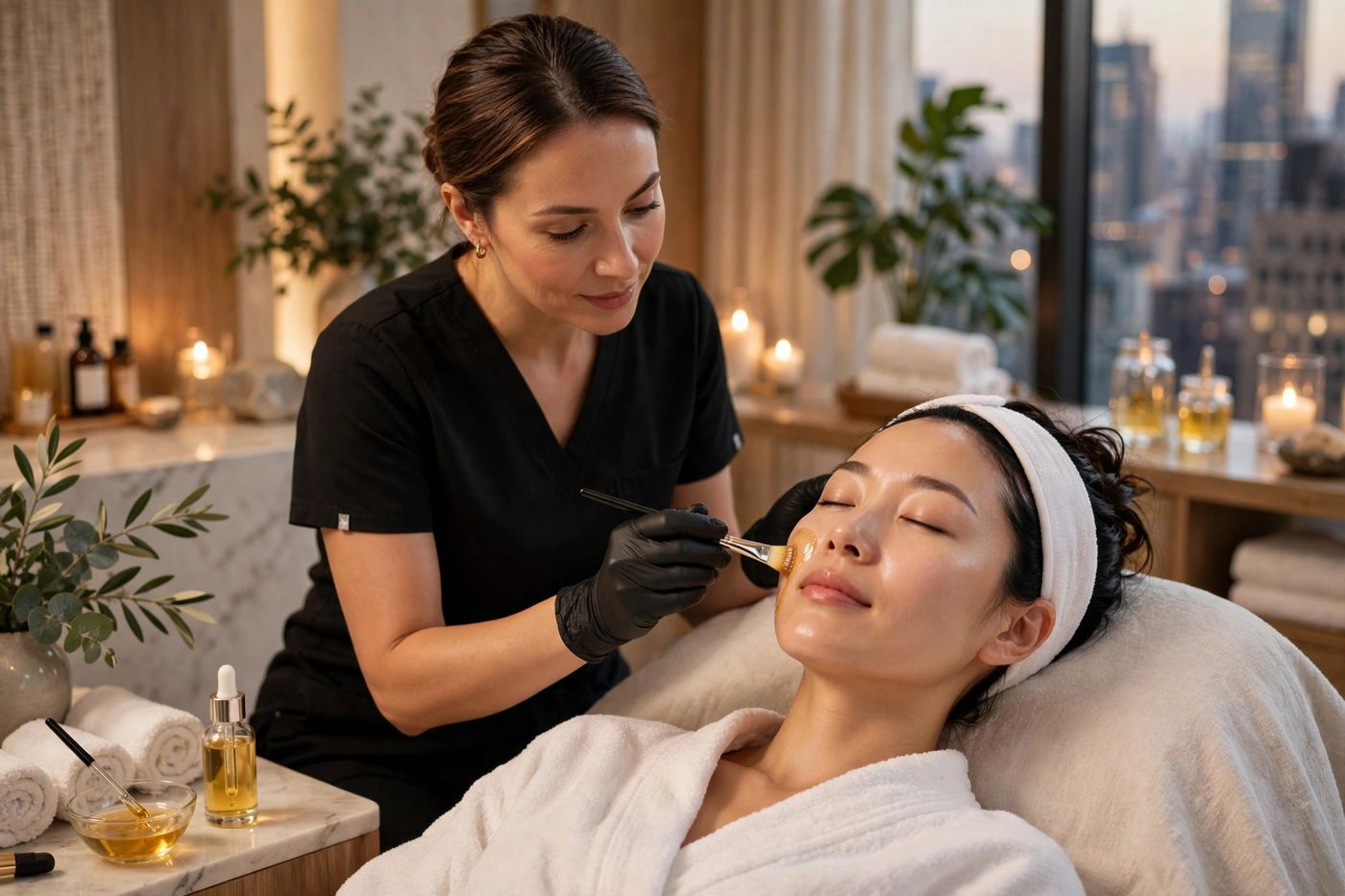
Does a PRP facial hurt?
Most clients describe mild discomfort — brief pinching or pricking sensations — rather than pain. Comfort measures are discussed beforehand, and our team works gently to keep the experience relaxed.
How many sessions will I need?
Some clients are happy after one session, but a series — often three sessions spaced several weeks apart — is commonly recommended for the most noticeable improvement, followed by maintenance. Your provider will advise based on your skin.
When will I see results? (PRP hair restoration)
Hair growth is gradual. Early changes — such as hair feeling stronger — may be noticed within the first couple of months, while visible fullness typically builds over a series of sessions across several months. Monthly photos help you track the change.
Am I a good candidate?
PRP works best where follicles are still active — early to moderate thinning at the part, crown, or hairline. The consultation and scalp examination will tell us; if PRP is not likely to help you, we will say so.
Where does the PRP come from?
From you. A small sample of your own blood is drawn at your appointment and spun in a centrifuge to concentrate the platelet-rich plasma, which is then used for your treatment — nothing synthetic is added.
Does it hurt? (PRP injections with mesotherapy)
A topical numbing cream is applied before treatment, and the mesotherapy needles are very fine. Most clients describe brief, light pinches and rate the treatment as quite tolerable.
Does PRP for hands hurt?
A topical numbing cream is applied first, and the injections use a fine needle. Most clients describe brief, small pinches and find the treatment quite tolerable; any tenderness afterwards is usually mild and short-lived.
Does PRP hair restoration hurt?
Most clients describe brief pinching or pressure during the application, and mild scalp tenderness for a day or two afterward. Comfort is a priority throughout — tell us how you are feeling at any point and we will adjust.
How many PRP sessions do I need for hair growth?
A series is standard — most plans start with 3 to 4 sessions spaced about a month apart, which is why we offer PRP hair restoration packages of 3 ($949) and 4 ($1,299) sessions. Maintenance sessions afterward help keep the progress.
Is PRP safe?
PRP is made from a small sample of your own blood, concentrated at your appointment — nothing synthetic is added, which is why it’s generally considered a low-risk treatment for most people. Your provider will review your health history first to confirm it’s appropriate for you.
Learn more: PRP Facial, Hair Restoration, PRP Injections with Mesotherapy Face & Neck, and PRP Hands
Massage
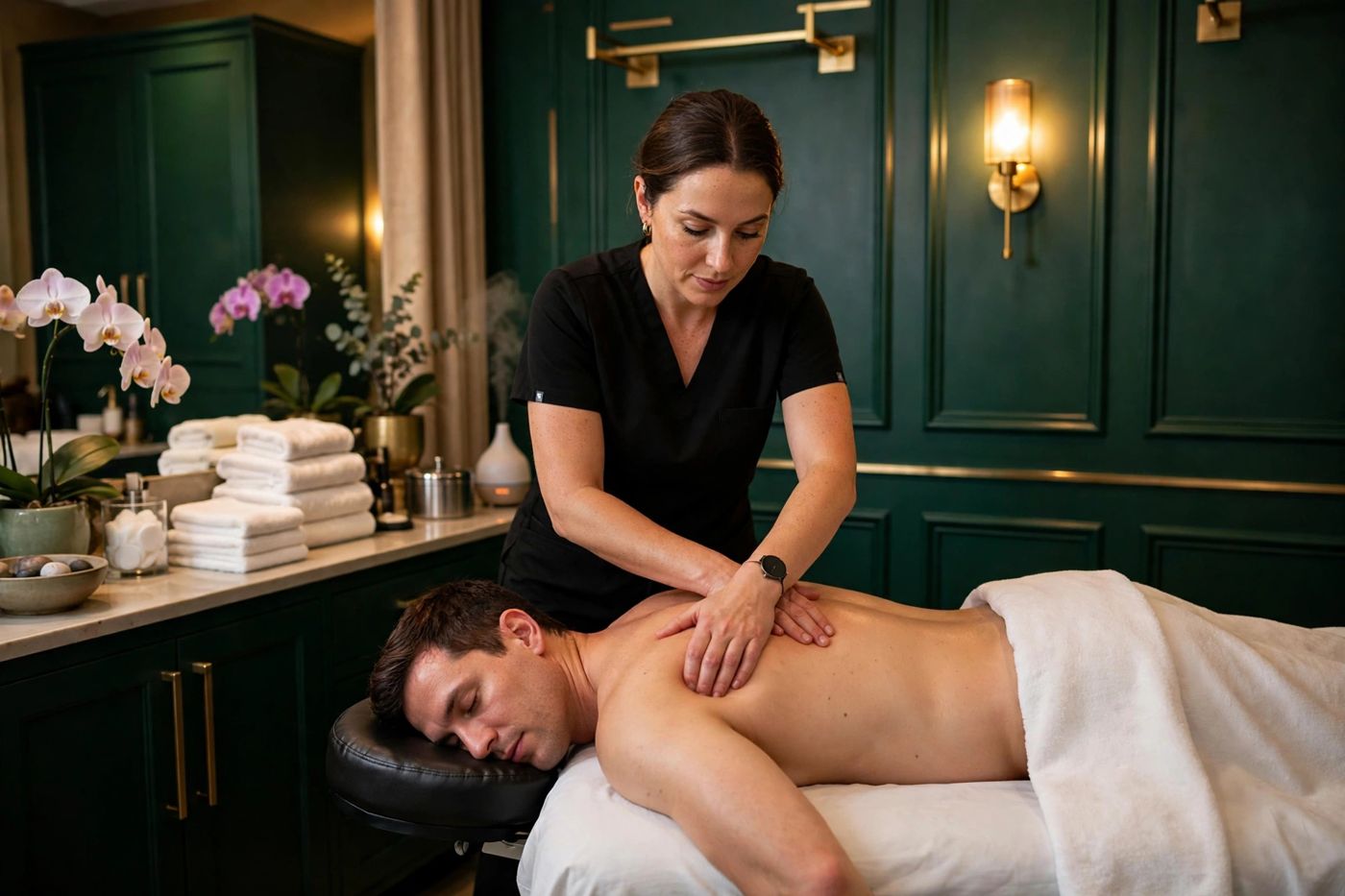
Does deep tissue massage hurt?
It should feel intense and productive, but never painful. You may feel strong pressure over tight areas and a “good ache” as knots release. If anything feels sharp or too much, tell your therapist — effective deep tissue work is always adjusted to your comfort.
How is deep tissue different from Swedish massage?
Swedish massage uses lighter pressure and long, flowing strokes aimed at overall relaxation. Deep tissue works more slowly with firmer, focused pressure on deeper muscle layers and specific problem areas. Many clients start with Swedish for pure relaxation and choose deep tissue when tension feels chronic.
How often should I get a deep tissue massage?
It depends on your body and your goals. Clients managing chronic tension often book every two to four weeks; others come monthly as maintenance. Your therapist can suggest a rhythm after your first session based on how your tissue responds.
Which massage should I choose?
For pure relaxation or a first massage, choose Swedish. For chronic tightness and knots, deep tissue. For warmth without intensity, hot stone. For a sensory, aromatic ritual, Thai herbal ball. For the gentlest touch and a lighter feeling, lymphatic drainage. For training support, sports massage. Still torn? Call us — we will match you in a minute.
Can I choose my pressure?
Always. Pressure is a conversation, not a setting. Tell your therapist before and during the session, and it will be adjusted — most styles on our menu can be made gentler or firmer to suit you.
What kind of oil is used?
We use high-quality, skin-friendly massage oils that allow smooth, flowing strokes and leave the skin feeling soft. If you have allergies or sensitivities to particular oils or scents, tell us when you book and we’ll select the most comfortable option for you.
How much pressure does Swedish massage use?
Swedish massage uses light-to-medium pressure — firm enough to ease everyday tension, gentle enough to stay deeply relaxing. Your therapist adjusts throughout the session, so let them know if you’d like a touch more or less pressure anywhere.
How hot are the stones?
They are heated in a professional warming unit to a carefully controlled temperature and tested by your therapist throughout. They should feel deeply, soothingly warm — never uncomfortably hot — and the temperature is adjusted to your preference.
What kind of stones are used?
Smooth basalt stones, a volcanic rock prized in massage because it holds heat well and glides comfortably over the skin. They are cleaned and sanitized thoroughly after every session.
How hot are the herbal compresses?
They’re steamed to a comfortably warm temperature — think of a hot towel, not anything extreme. Your therapist continually checks the heat against the skin and adjusts as the compresses cool during the session.
What does Thai Herbal Ball Massage feel like?
Warm, soft, and deeply grounding. The compress is firmer than a hand but cushioned, so pressure feels broad and even rather than pointy. Most people find it more relaxing than deep tissue while still feeling thoroughly worked.
Is lymphatic drainage the same as deep tissue massage?
No — they are opposites in pressure. Deep tissue works the muscles with firm pressure; lymphatic drainage uses very light, rhythmic strokes on the skin to encourage lymph flow. Both are valuable, but they do different jobs.
Why is the pressure so light?
The lymph vessels sit just beneath the surface of the skin. Light, precisely directed strokes move lymph effectively, while heavy pressure would compress those surface vessels and miss them entirely.
Is sports massage the same as deep tissue?
They’re related but not identical. Deep tissue is a technique focused on deeper muscle layers. Sports massage uses deep tissue plus other techniques — including stretching and targeted work — organized around your sport, training load, and goals.
Will it be painful?
It can feel intense over tight, trained muscles, but it should always stay within what feels productive. Your therapist adjusts pressure constantly — tell us what you’re feeling and the session adapts to you.
How often should I get a massage?
For everyday stress and maintenance, once a month suits most people. If you’re working on chronic tightness, training hard, or recovering from a demanding period, every 2 to 3 weeks often works better. Your therapist can suggest a rhythm after your first session.
Should a deep tissue massage hurt afterward?
Some soreness for a day or two after deep work is common — similar to how you feel after a good workout — and it should ease quickly. Sharp pain during the session is not the goal, though: always tell your therapist to adjust the pressure.
What is the best massage for back pain and tight shoulders?
Clients with everyday back and shoulder tension most often choose deep tissue or sports massage, which target the deeper layers and common trouble spots. If your pain is new, severe, or follows an injury, check with a medical professional first — massage supports, but doesn’t replace, medical care.
Learn more: Deep Tissue Massage, Massages, Swedish Oil Massage, Hot Stone Massage, Thai Herbal Ball Massage, Lymphatic Drainage Massage, and Sports Massage
Sculptra & Radiesse
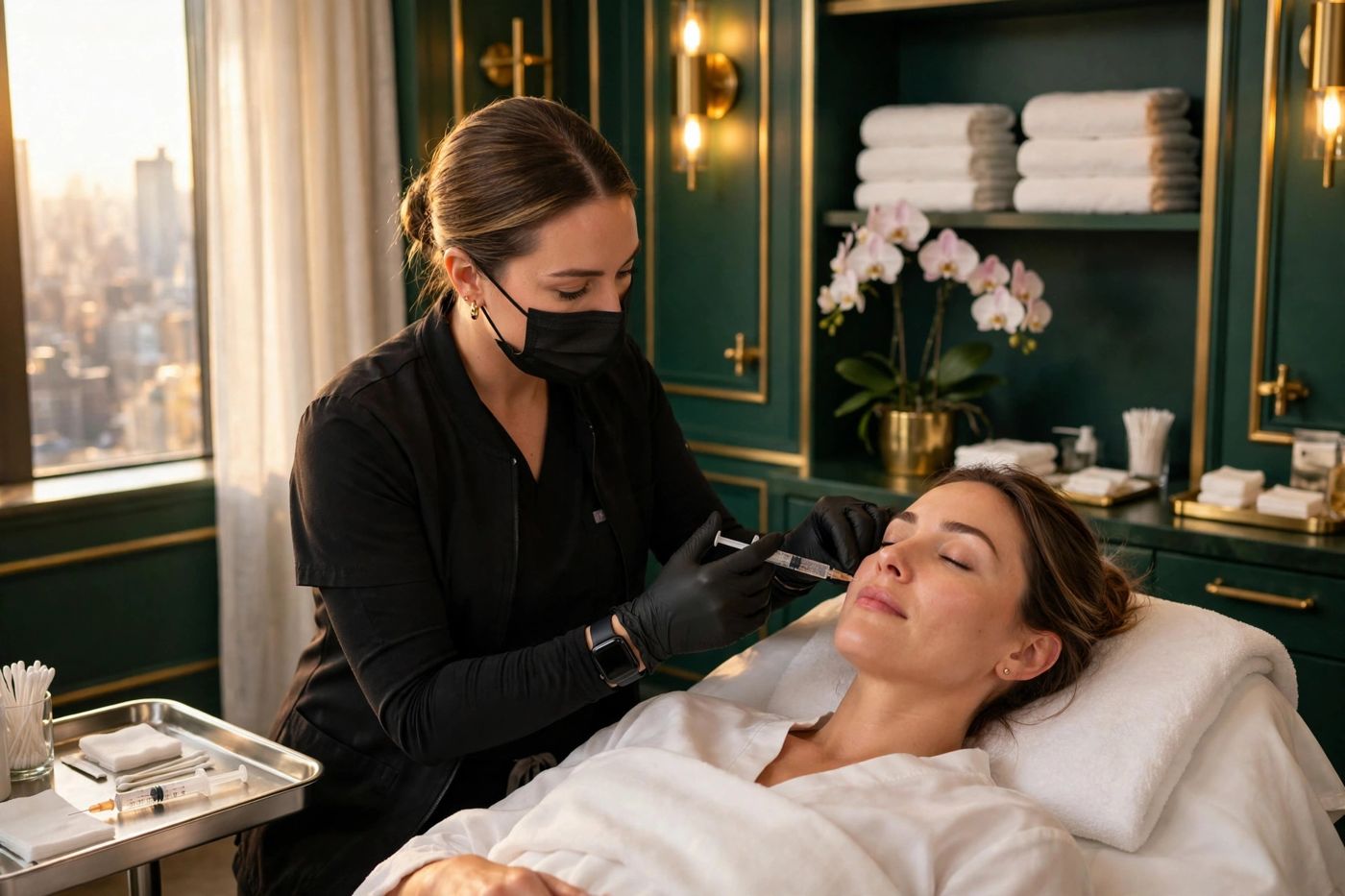

How is Sculptra different from regular fillers?
Regular fillers, such as hyaluronic acid gels, add volume instantly and soften as the gel gradually wears off. Sculptra instead helps your body rebuild its own collagen, so results appear gradually and are created by your own tissue. Many clients use both: filler for instant polish, Sculptra for long-term support.
How long does Radiesse last?
Many clients enjoy their results for a year or longer — often longer than softer fillers placed in the same areas. Longevity varies with placement, metabolism, and lifestyle, and maintenance sessions can refresh the look when you’re ready.
Does Sculptra hurt?
Most clients describe only mild, brief discomfort. We use fine needles and can apply a topical numbing option beforehand, and the treatment finishes with a gentle massage of the areas. Any tenderness afterward is usually minor and short-lived.
How is Radiesse different from hyaluronic acid fillers?
Hyaluronic acid (HA) fillers are soft gels — versatile, and dissolvable with an enzyme if ever needed. Radiesse is calcium-based, firmer and more structural, and it stimulates your own collagen — excellent for definition and longevity, though it can’t be dissolved the way HA fillers can. That’s exactly why an experienced injector and a proper consultation matter.
Does Radiesse hurt?
Most clients report only mild, brief discomfort. We can apply a topical numbing option before treatment, and the injections themselves are quick. Any tenderness afterward is usually minor and fades within a few days.
Learn more: Sculptra Treatment and Radiesse Treatment
Ready to Book?
Call (212) 858-0706 or text (833) 255-9387